
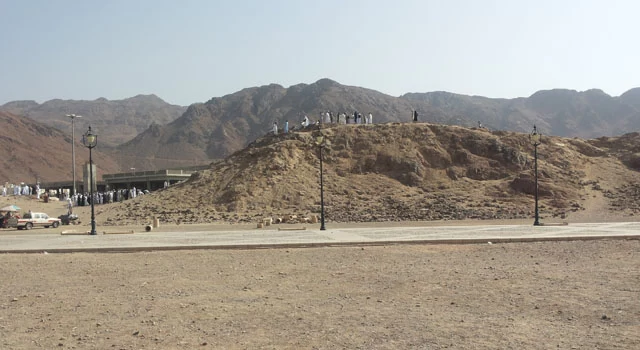
The Khandaq (Trench) Area in Madinah is one of the historically significant locations associated with the early history of Islam. It is linked to the Battle of the Trench, also known as the Battle of Al-Ahzab, which took place in 627 CE (5 AH). The event was a major test for the Muslim community in Madinah and is remembered for the strategy, patience, and unity demonstrated by Prophet Muhammad ﷺ and his companions.
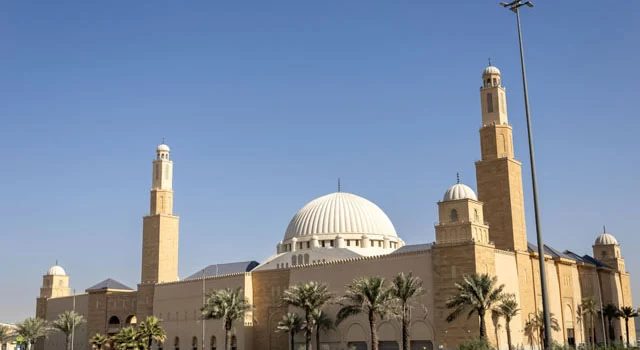
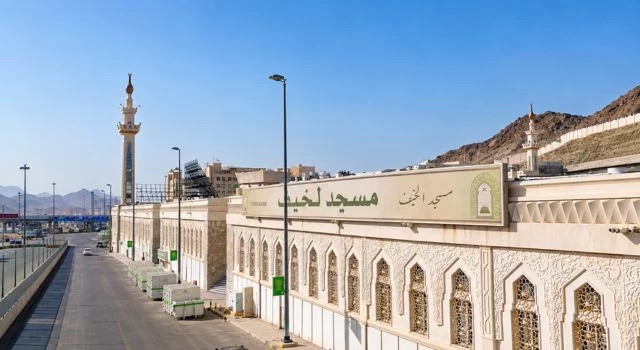
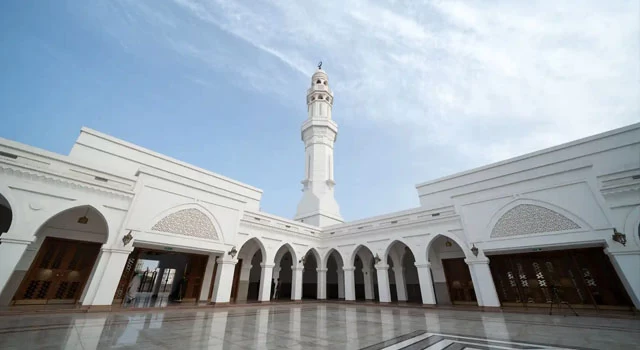
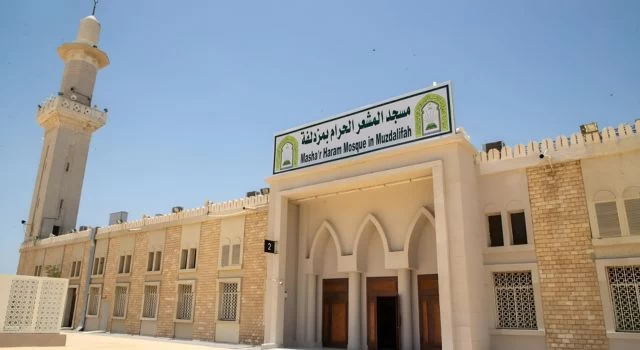
The area is traditionally associated with the defensive trench dug around parts of Madinah to protect the city from a large coalition of opposing forces. Today, visitors commonly explore the Khandaq area alongside the nearby Seven Mosques (Sab’a Masajid) and Mount Sela, making it an important stop for pilgrims interested in Islamic history.
For visitors travelling with Maqam Umrah Packages, the Khandaq area can be included in a Madinah historical visit, subject to the tour itinerary and current local access arrangements.
The Battle of the Trench occurred when a coalition of tribes advanced towards Madinah, threatening the Muslim community. Following consultation, Salman Al-Farsi (RA) suggested digging a trench as a defensive measure, a strategy that helped protect the city from the advancing forces.
The event is remembered for several important lessons:
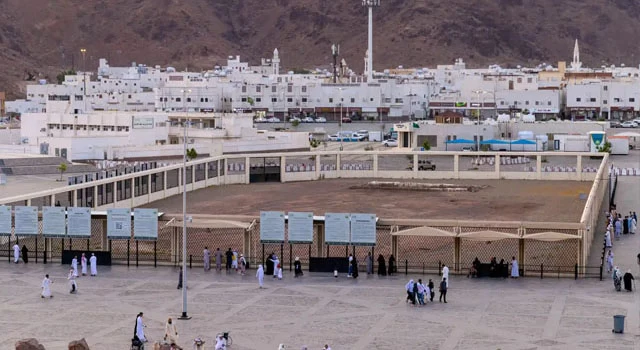
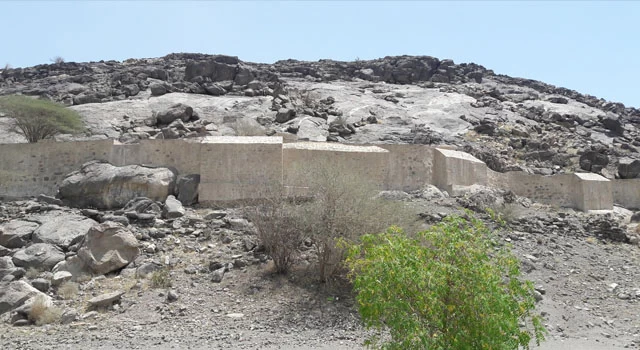
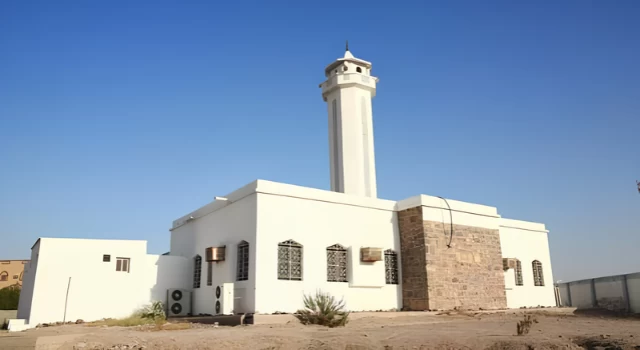
The modern Khandaq area commemorates this important episode in Islamic history. Visitors should understand that the present-day landscape and structures have changed over time, and the full original trench should not be assumed to remain visible.
Although the Khandaq area is not part of the essential rites of Umrah, it offers pilgrims an opportunity to learn about the challenges faced by the early Muslim community in Madinah.
A visit can help pilgrims:
Pilgrims often combine this location with other nearby Islamic landmarks during a guided Madinah Ziyarat tour. Visitors should maintain respectful behaviour and follow local instructions at mosques and historical sites.
The Khandaq (Trench) Area is located in the northwestern part of Madinah, near Mount Sela and the Seven Mosques. It is accessible by road from central Madinah and is commonly included in historical sightseeing tours.
The area includes modern surroundings and religious landmarks associated with the Battle of the Trench. Visitors should not assume that every part of the original trench is preserved or open for public access.
To make your visit comfortable and respectful, consider the following guidance:
Photography may be possible in public areas, but visitors should respect local rules and avoid photographing people without permission.
The most comfortable period for visiting the Khandaq area is generally November to February, when outdoor temperatures in Madinah are usually milder.
The site can be visited on any suitable day when access is permitted. There is no specific weekday required for a historical visit. During Ramadan, Hajj seasons, and busy travel periods, allow extra time for traffic and crowds. Always confirm current access arrangements before visiting.
The Khandaq (Trench) Area is approximately 3,000–4,000 meters (3–4 km) from Al-Masjid an-Nabawi, depending on the exact point visited and the route taken.
This is an approximate distance, not a guaranteed walking-route measurement. Check the exact destination and current directions before travelling.
Explore other sacred sites and guided historical tours in Makkah & Madinah.
<p>Your booking is protected with transparent policies and dedicated support. Advance booking options, flexible arrangements, and cancellation support are provided according to hotel and travel policies.</p>
<p>Planning an Umrah journey can feel overwhelming — but with us, you can travel stress-free. We handle hotel bookings, transportation, Ziyarat planning, and travel coordination so you can focus entirely on your worship and spiritual goals.</p>
<p>Unexpected situations can arise during travel, but our experienced team is always ready to assist you. We provide guidance, support, and practical solutions whenever needed during your pilgrimage.</p>
<p>Established in 2023, Maqam Umrah Packages has been helping pilgrims experience meaningful and memorable journeys to Saudi Arabia. Our local expertise helps you create well-planned pilgrimage experiences.</p>
<p>The appreciation and trust of our customers motivate us to improve continuously. Positive feedback and repeat travelers reflect our commitment to quality service.</p>
<p>Our packages are designed to suit different travel preferences, including school holidays, work vacations, Ramadan Umrah, and seasonal travel plans.</p>
<p>Our support team is available around the clock to assist you whenever you need help during your journey.</p>
<p>We carefully select hotels based on package category, quality standards, comfort, and distance from Haram.</p>
At OnlineUmrah, we offer a complete range of Umrah and Hajj services to ensure your pilgrimage is comfortable, organized, and spiritually fulfilling. With our deep understanding of pilgrim needs, we cater to travelers of all backgrounds — from budget-conscious individuals to those seeking luxury experiences.
Curious about our destinations? Thinking about customising a trip? Just get in touch. We’re happy to help – whatever you need.
Get in touch with our local experts. We’re here for you every step of the way – and that starts right here with planning.
